Special Report: Renewal at Western Wayne Schools
This article is a part of a series of special reports, where Western Wayne News is looking past social media chatter to explore the state of Western Wayne Schools, why its student body has decreased over the past decade, and how the district is faring generally.
In addition to looking at education data and school finances, we’re talking with educators, students, families, coaches and community members to understand more about the heart and spirit of the place that so many of our readers hold so near and dear.
Read other articles in the series:
- Enrollment, finances, facilities: Perspectives on a path forward
- Western Wayne Schools milestones, 2008-present
- Between concern and commitment: Parents share mixed perspectives
- WWS Athletics ‘diminished but healing’
- Milestone moments in Lincoln High School athletics
WWS isn’t the only Wayne County district facing enrollment and funding challenges, and future series will explore those as well. We also know this is a story that’s still being written by the WWS community, and we expect to continue our reporting on it beyond this series. If you’d like to share your own perspective or experiences, please get in touch.
Legislative changes are significantly impacting school enrollment, and Western Wayne isn’t exempt, said WWS Superintendent Kelly Plank. She said school choice/transfer tuition has affected enrollment at all types of schools.
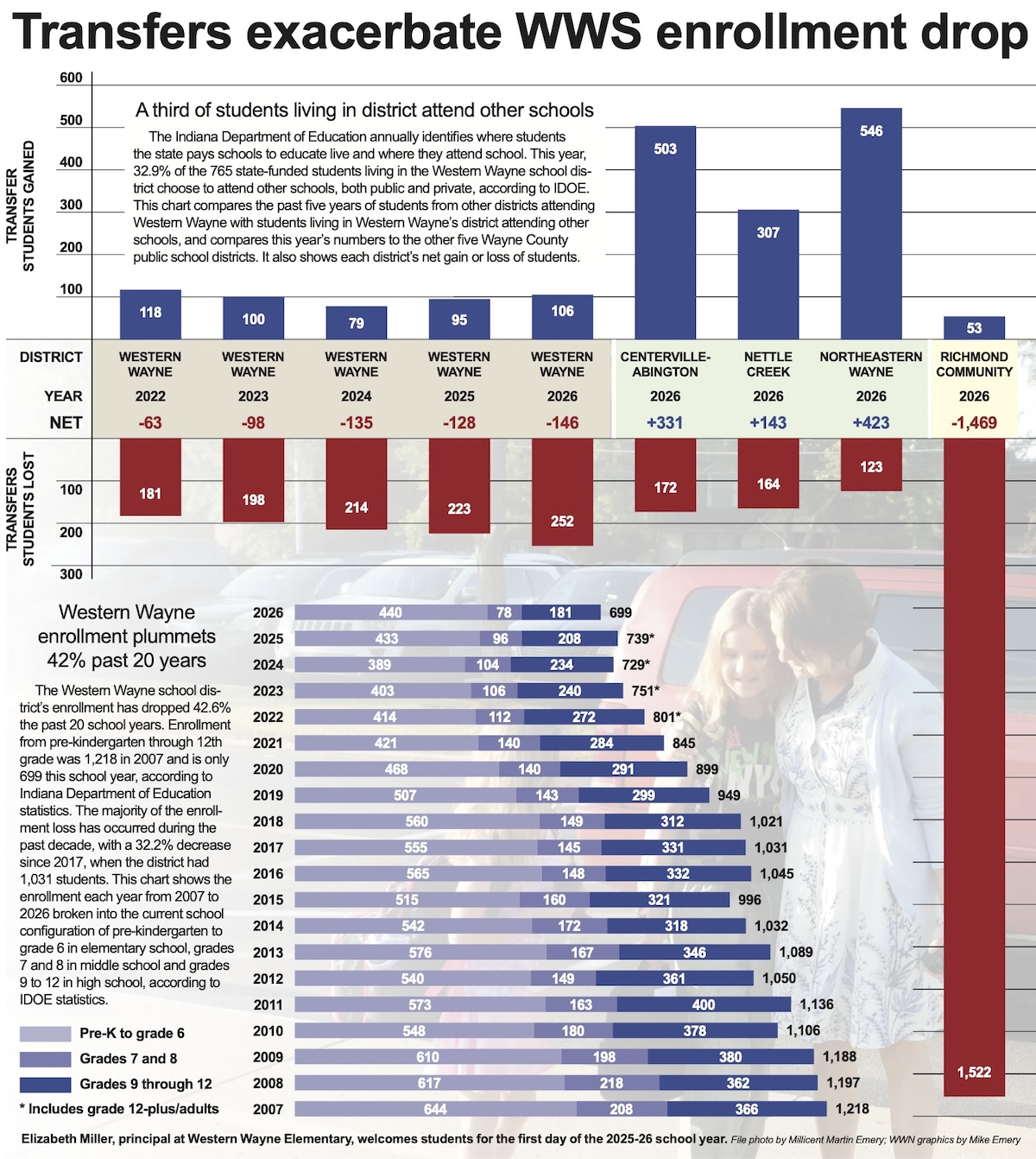
WWS has 252 students who live in the district but attend other schools; 106 students living in other districts attend WWS schools.
Indiana Department of Education identified 765 students living in the WWS district for whom the state provides schools with funding. That means 32.9% of students living in the WWS district attended other schools, both public and private, this school year.
Plank said she can speak only to the rural schools that she’s worked in, but many urban students transfer to suburban and rural schools looking for a better environment. For a while, enrollment in those rural and suburban schools increased, she said.
Now that legislators have allowed transfers for athletic reasons, Plank said she believes those enrollment trends are changing.
Plank said many students left WWS this past school year, citing athletics as the reason.
“The majority left to attend neighboring schools looking for greener pastures,” Plank said. “We are already starting to see some of those students return to Western Wayne Schools.”
One new decision could draw in more WWS families who don’t have children in public schools, preferring homeschooling or online programs. WWS will allow students enrolled in at least one class to participate in extracurricular activities in hopes of encouraging more families to enroll in its schools once they experience them, Plank said.
Western Wayne Elementary Principal Elizabeth Miller agrees that enrollment is a complex, multifaceted issue.
She said she’s heard and read various theories, ranging from a desire for more sports programs to concerns about discipline.

“Parents have been candid that while social-emotional learning is vital, they want to ensure their children are in a safe, accountable environment where they are held responsible for their actions,” Miller said.
She agrees that Indiana’s open enrollment emphasis has undeniably changed the landscape, creating a transient enrollment pattern across the state. She said it’s disheartening to see buses from other districts on local streets, just as WWS buses occasionally cross those same lines.
While WWS has experienced what Miller called “growing pains” of staff and student transitions, she said she firmly believes they are moving in the right direction.
“My vision for Western Wayne is for us to be a ‘family’ again,” Miller said. “We may not always agree on everything, but like a family we show up for our kids, we work through challenges and we grow together. We don’t walk away. The children in this community deserve a high-quality education and a school they can be proud of.”
Several years ago, Cambridge City residents raised concerns during the community’s comprehensive planning about limited quality housing stock that might draw families to choose the community. They also noted challenges in expanding the town because landowners hadn’t been willing to sell farm ground for new subdivisions.
In July 2025, Economic Development Corp. of Wayne County announced it was awarding developers $820,000 toward infrastructure for 82 homes across the county in unfinished platted subdivisions. One of those subdivisions called Meers Estates, in an unincorporated area north of Cambridge City just a few blocks from Western Wayne Elementary, will add 17 single-family homes with proposed asking prices of $280,000 to $325,000.
Another factor outside the district’s control is declining birth rates across the county, which have led to an overall enrollment decrease, Plank noted. Families are having fewer children than in previous years, so schools are competing to recruit students. Indiana tuition dollars follow each child.
WWS has begun extra efforts to offer what Plank calls low-cost preschool in hopes of recruiting families into the district who will like what they see and enroll their children for future years.
Former WWS Superintendent George Philhower, who now leads Eastern Hancock, said population decline played the most significant role in WWS’ enrollment changes during his tenure, with fewer students in the area than in the past.
Like many districts, Philhower said Western Wayne has experienced declining enrollment, prompting staffing adjustments over time.
WWS had 1,218 students enrolled in 2007 from pre-kindergarten to 12th grade. This school year, 699 students enrolled, a 42.6% drop in 20 years.
Funding
Schools are costly to operate. From staffing to programming to facilities maintenance, the community puts millions of dollars into funding local education every year. As those costs rise and sources of funding fluctuate, taxpayers and school leaders have to figure out how to make it all work.

Toward the end of Philhower’s tenure, community support through a 2020 referendum helped stabilize resources and maintain programming. The referendum is raising about $500,000 per year for eight years.
“We worked hard to avoid making changes at the high school level that would reduce students’ opportunities,” Philhower said.
Over the last decade, the Indiana state legislature has focused on sweeping property tax reform. What might be good news for some property owners has reduced the dollars available for schools, including big hits to funding in Wayne County.
Plank confirmed WWS is among the many districts seeing a decrease in operating funds, so they ask for bonds to cover repair costs that the operations fund previously covered.
WWS also transfers close to the maximum amount allowed from the education fund to the operations fund to cover some of the losses. Plank said that means WWS can’t hire as many instructional staff as in the past and have had to cut curriculum funds.
Jim Antle, a concerned resident who has regularly attended board meetings over the past several years, said he believes WWS is being run as conservatively as it can be run, and operations seem to be more settled.
Antle said WWS appears to have adequate money at this point, and the district is earning additional money through interest on its savings.
“I give (former superintendent) Andy Stover a ton of credit because he came into a real dilemma,” Antle said. He praised Stover’s long-term planning such as implementing a bus replacement plan and hiring Sodexo to conduct a building and equipment audit. Antle also noted Stover’s skills in leading the district in finding grants and improving graduation rates and testing scores.
Antle said the community really wants to keep its schools and is willing to pay for them, based on passage of the 2020 referendum.

As a longtime property owner, Antle said his interest in school finances was especially piqued when WWS officials asked voters to support the referendum. With schools receiving about half of each county’s tax dollars and about half of the state’s dollars, he believes school funding gets to be very political.
Unfortunately, Antle said schools don’t have control on many matters, with mandates being passed “down from on high,” he said.
And, funding decisions have long-term implications. Antle said he’d be 99 years old when WWS’ current $12 million bond is paid off.
Antle said school corporations are caught in a trap when it comes to discussions about potential consolidations because many schools have multimillion-dollar bonds. He wonders what would happen to those bonds if districts consolidate.
Some of Indiana’s university officials quietly promoted school consolidation in the 1960s, Antle said, suggesting that bigger and better schools would result.
“We have bigger schools now, but I struggle with the better part,” said Antle, a native of Montgomery County, which has about a third of the schools it did when he attended. His daughters and grandchildren have graduated from WWS.
At a recent board meeting, Antle asked WWS officials whether student meal funding was stable, because if any federal funding would be reduced, he wondered how the $30,000 to $50,000 monthly expense would be covered. School officials said they believe those funds won’t be impacted.
Goodbye, hello letter grades
Families have chosen to leave WWS for a variety of reasons over the years, but one unpopular decision about a decade ago at the elementary level might have prompted departures that led to multiyear enrollment repercussions. It has since been reversed.
When Miller was hired to lead WWES in summer 2021, the most consistent concern she received from parents through office visits, emails and phone calls was the lack of a traditional grading scale.
Based on WWS’ 2016-2017 School Improvement Plan, Miller said she believes previous administrators made that change around that time, intending to mirror specific learning targets.
During the 2017-18 school year, teachers, local business leaders and community members worked to determine what skills Lincoln graduates need to be successful.
Beginning in the 2018-19 school year, students worked to develop “Eagle Exemplars” from preschool through 12th grade in addition to learning Indiana Academic Standards. Those exemplars were purpose, communication, collaboration, wonder, contribution and ownership. Each exemplar had requirements that varied by grade level, such as exploring careers, adding work to portfolios and community service projects. Students showed their parents their work during a student-led parent conference in May.
However, the community consensus was a strong preference for the accountability of traditional grades and a rigorous curriculum, Miller said.
Their feedback was clear, as families found the standards-based report cards, which could sometimes reach 10 pages in length, difficult to navigate.
“One parent shared that after reading through a lengthy report, her husband was still left asking, ‘Is our daughter passing reading?’” Miller said.
Miller said transitioning back to a traditional A-F grading scale in August 2021 was a straightforward decision.
“It aligned our practices with community expectations and provided the clarity parents were seeking,” Miller said. “Throughout that transition, I did not have a single parent voice a desire to keep the standards-based model.”
Facilities improvements spark a shift
Alan Austin, who recently served as school board president, said he believes “things are looking up” for WWS regarding facilities, administration and finances.
After touring LMHS’ renovations, he said the results were what he’d hoped for after many years, and is optimistic the updated amenities could help increase enrollment. If all things are equal, better facilities could be a family’s deciding factor, he said.
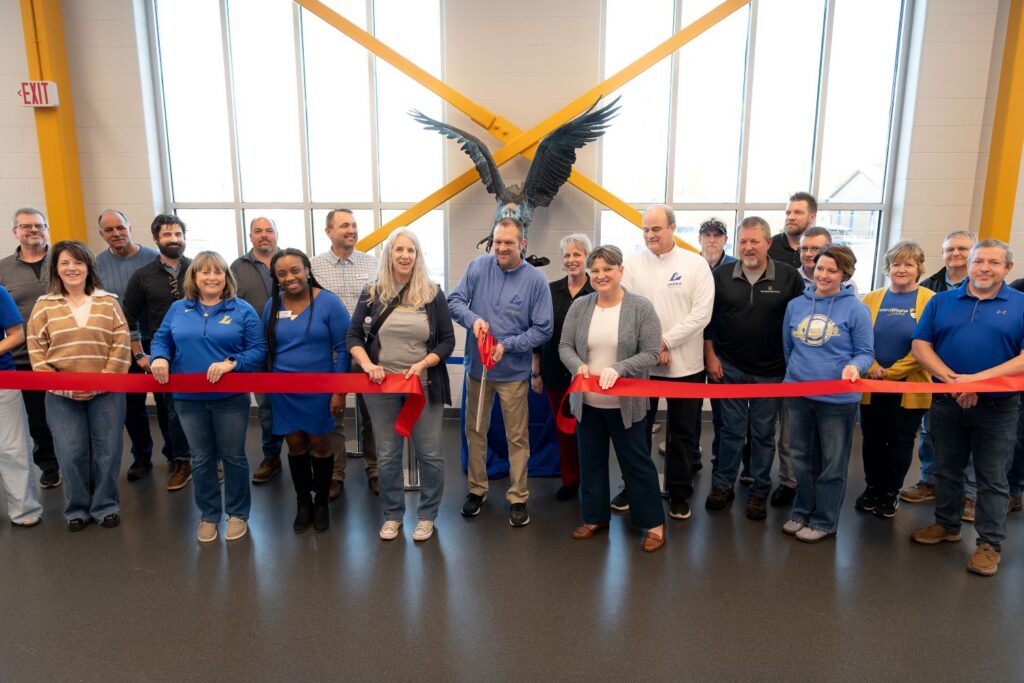
Participants included, from left: Janalyn Vossmier; Caiden Ripberger, Jackson Kuhn and Logan Gamble; Bailey Payne; and Sawyer Sullivan and teacher Brenda Mateos. Photos by Lilley Photography 
Photos by Lilley Photography 
Photos by Lilley Photography Photos by Lilley Photography 
Photos by Lilley Photography 
Photos by Lilley Photography 
Photos by Lilley Photography 
Photos by Lilley Photography
Austin said he’s also heard a lot of positive comments about Melissa Zimmerman, who joined LMHS for the 2025-26 school year as its new assistant principal. Zimmerman quickly transitioned to interim principal after Renee Lakes’ unexpected October resignation.
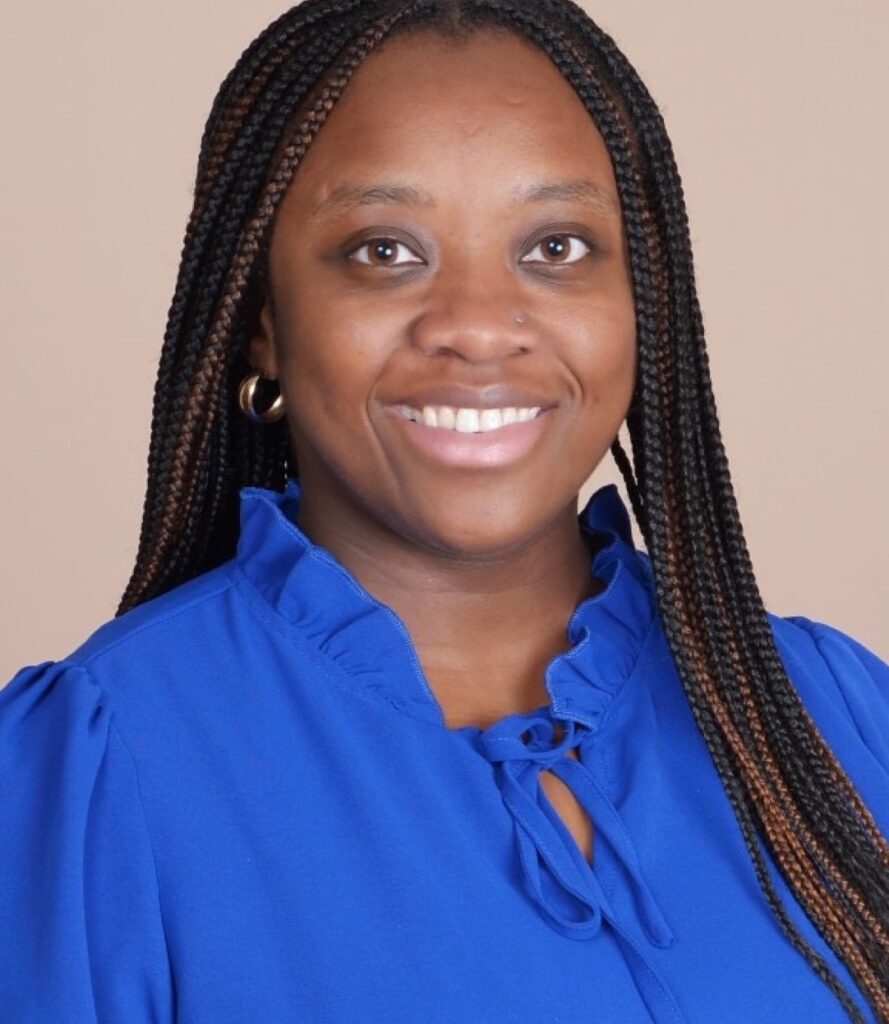
Zimmerman has received compliments from the board during its meetings regarding her efforts to improve student discipline, offer professional development for teachers and make community connections.
Austin said he’s hopeful that more direct community dialogue is taking place with school officials rather than sharing concerns on social media, because he said social media isn’t the place to solve problems.
When Austin was on the board, if members saw inaccurate information being shared online, they would contact the person, share what was happening and ask them to remove the inaccuracy.
In February, board member Amber Rushton said she overheard genuine praise about WWS while getting a haircut. The speaker, whom she didn’t know, was especially complimentary about the district’s education services for students with disabilities.
Recruitment and successes
While WWS has offered to provide transportation for students outside the district, Austin questions WWS and other Wayne County schools sending buses to other local districts to pick up students. He wonders what it costs districts to gain those students when they have what he says are perfectly good buildings available closer to home.
He also noted swings in enrollment and long-term potential impacts on taxpayers to pursue those trends. One example he gave was Centerville taxpayers paying for adding classrooms to an elementary school to keep up with the inflow of transfer students from Richmond. Now, Centerville-Abington’s enrollment is declining as well.

Austin said it’s unlikely that many students who’ve transferred out of WWS for various reasons will return, but he’s hopeful that young families will build a strong foundation when they’re given reasons to stay, as test scores, graduation rates and its regional reputation rise.
Small districts like WWS face extra challenges to their graduation rates when some special education students age out but don’t qualify for Indiana diplomas, Austin said, and those percentages are larger with a smaller class. Three students in a class of 50 versus 300 makes a difference.
WWS’ graduation rates have improved after tracking when students leave to avoid having any departing students counted as dropouts when that’s not the case.
Austin noted the number of national competitors for Business Professionals of America, with LMHS offering one of the leading programs in the state, and many LMHS graduates among the county’s full-tuition Lilly Endowment Community Scholarship winners.
He noted LMHS graduates get a great education where they’re not just a number, and many go on to successful careers.
Austin’s son, also named Alan, graduates this month with honors from Indiana State University, as did his daughter, Aubrey, a few years earlier. Aubrey earned a full scholarship toward a master’s degree at Georgetown University to study financial analytics.
Several of Aubrey’s LMHS peers have gone on to graduate school for professions including veterinary medicine, rural medicine, optometry and pharmacy, Austin said.
Potential opportunities
In Philhower’s current role, Eastern Hancock partners with districts in similar situations through the Indiana Microschool Collaborative to explore ways to attract and retain students by offering options families are actively seeking.
Microschools do seem to appeal to a lot of school districts, Plank said. She would like to see how they evolve “before dipping into that pool.”
The collaborative’s first site in Hancock County has been a strong success and currently has a lengthy waitlist, Philhower said.
Plank said many schools are looking to add virtual options and microschools to increase enrollment. She said she’s interested to see how the lawsuit with Union (Modoc) settles before investing in a virtual school that might not be allowed in the future.
“Western Wayne offers much while maintaining a small school feel,” Plank said. “We are as academically diverse as many of our larger neighboring schools and offer more pathways and programs than some.”
KEEP READING:
A version of this article appeared in the May 6 2026 print edition of the Western Wayne News.