

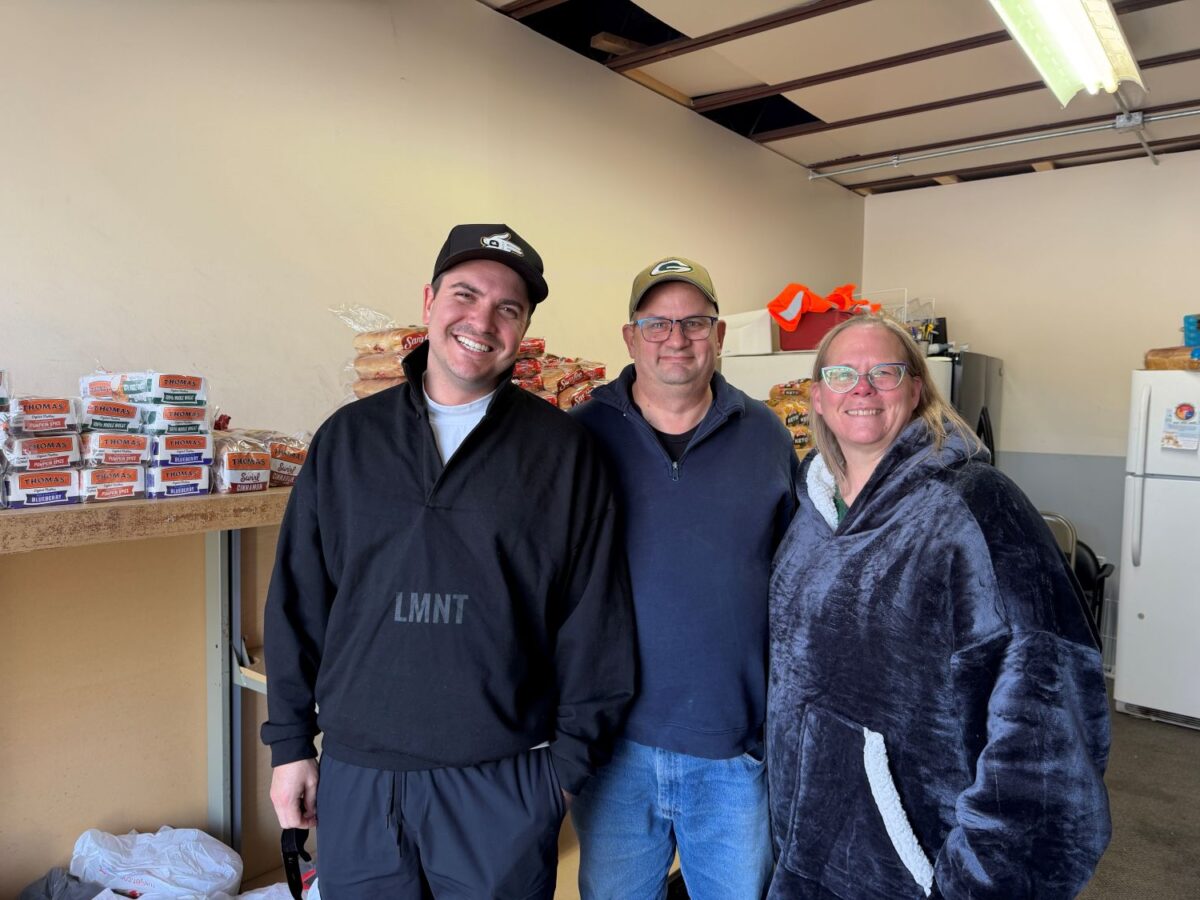
Oak Park Church has become a beacon of service to the community’s most vulnerable. Its multiple outreach efforts are all supported by revenue from the Oak Park Early Learning Academy’s childcare services. But with last year’s budget cuts to federal social services, the church finds itself in a fiscal bind.
“We saw a 30-plus percent cut in funding within 30 days. They gave us a 30-day notice,” Pastor Jesse Arthur said regarding reduced funding from the Family and Social Services Administration for childcare vouchers. “Actually, it’s been more because they came back about a month later and said that they would not reissue any vouchers to new students until 2027, which is a long time to wait.”
Arthur estimates a minimum of 50 families will be impacted by these reductions. As a result, the church’s decreased revenue places its operations at risk.
In 2024, Oak Park fed 14,000 through its Bread Box food pantry and collected more than 8,000 items for their free Community Clothing Closet. Its partnership with the Link connected over 200 people with social wrap-around services, and its efforts with LifeSpring South helped house 120 people during the winter months at the Emergency Warming Center. In addition to its in-house childcare services, they operated a mentorship program helping 800 youth off campus.
“We are, in fact, limping along, but the rate we’re going at right now is currently not sustainable,” Arthur said.
Tina Cloer, president/CEO of Firefly Children & Family Alliance Inc., witnessed the increased need across many of their programs as a result of the legislative changes, which also included an abrupt pause to Supplemental Nutrition Assistance Program funding in November. The statewide organization, which has a regional office in Connersville and a family resource center in Richmond, served over 45,000 families in 2024.
“We’re seeing more families reach out for help with housing stability, food and utilities. Rising costs in these basic necessities add stress to families who may already be navigating complex challenges. Our role is often to help stabilize those immediate needs so families can focus on healing, safety and long-term stability.”
The Indianapolis-based nonprofit, specializing in childcare abuse prevention and intervention services, implemented a new strategic plan in 2025 that allowed it more flexibility to better respond to changing conditions and potential funding shifts.
“This allows us to be proactive rather than reactive, ensuring we can continue supporting children and families even during periods of uncertainty,” Cloer said.
While Cloer said Firefly is better prepared, nonprofits are still constrained and she expects challenges to persist in 2026.
“As resources at the state and federal level become more limited, and as other social service providers reduce or close programs, families naturally turn to organizations like Firefly for support,” she said.
Arthur said he remains hopeful, but that the immediate outlook is grim. While he was thankful for the businesses that have supported the organization’s work, he says Oak Park will be in “a total freefall” unless the state provides a contingency plan.
“It’s going to be extremely detrimental, not only on a short-term level, but when you’re talking about feeding students from an educational and a developmental standpoint, you’re talking about long-term detrimental impact to the next generation of kids that are not receiving proper nutrition,” Arthur said. “It’s going to impact crime, it’ll impact education, it’ll impact employment, it’s going to impact everything.”
A version of this article appeared in the January 7 2026 print edition of the Western Wayne News.
