Citing the potential for community growth, Economic Development Corp. of Wayne County pledged $30,000 to pay consultants who would advocate for a casino to be built here.
Indiana’s gaming commission commissioned a study that aimed to help the state maximize gambling revenue by determining where to locate or relocate casino licenses.
Along with Indianapolis and Fort Wayne, Wayne County showed high unmet potential for gaming, based on its distance from other casinos, as first reported by WWN Dec. 18.
State lawmakers determine whether a new or relocated license would be available.
During EDC’s special Dec. 29 meeting, Wayne County Area Chamber of Commerce President Melissa Vance sought financial support for a contract with RJL Solutions, which has offices in Indianapolis, Terre Haute and Evansville.
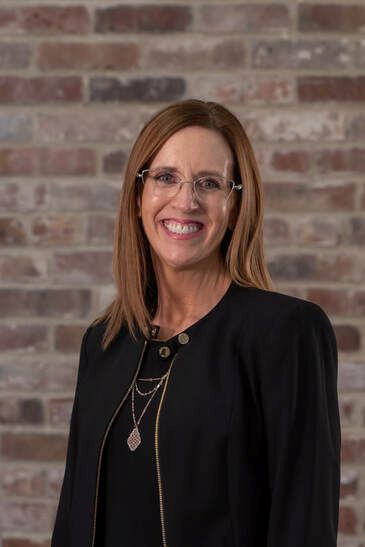
Vance said RJL’s lobbying, advertising and communication helped Terre Haute obtain a gaming license. Consultants would offer a community marketing strategy for Wayne County and work with legislators on a bill to get the gaming license approved.
Pursuing the casino within the short 2026 legislative session is extremely time sensitive, Vance said, and consultants could ensure everything is done appropriately and the county is presented well.
WCACC is leading efforts to analyze the possibilities of obtaining a gaming license, which Vance described as an “incredible opportunity” to stimulate community growth. She noted it’s ultimately the community’s choice to pursue, and they want to ensure buy-in from leaders who agree it’s the right opportunity for the county.
She noted the benefits of gaming taxes and an estimated 400 jobs, based on employment created in Terre Haute.
Vance said potential tax revenue could be $12-$15 million per year, including the 3.5% gaming tax and an additional 1% that could be added by request.
Revenue would be split between the county and the community where it’s located, and those entities would decide how funds would be used.
Vance said other communities with casinos typically put gaming revenue toward education, economic development and tourism.
If the license wasn’t approved this session, RJL’s remaining hours would be focused on marketing and communication for 2027.
The budget for RJL’s 12-month contract and expenses is $134,000, not counting chamber employees’ in-kind time, estimated at $40,000 to $60,000.
Before the EDC’s approval, $45,000 had been pledged from the tourism bureau and a couple of chamber members toward consultant expenses.
Once a license is granted, EDC would work with gaming corporations to identify the best location for a casino, as it helps other businesses select sites.
Several EDC members said the board’s role is to explore economic development opportunities and learn what investments communities would need to make and then determine if they’re good decisions.
Members said they need more research to determine if the potential good of a casino outweighs societal harm.
EDC had about $37,000 unspent in its contractual fund at the end of the year, and EDC President Valerie Shaffer said the consultants would provide expertise on gaming that its staff doesn’t have.
EDC board member Brian Ballenger was the lone no vote of the board members attending, citing a casino’s potential negative social impact.
Board member Marty Van Der Burgt said he shared those concerns, but felt gaming revenue could offer opportunities to add services not currently in the community.
Incoming EDC board president Peggy Cenova also has concerns about a local casino, but she said gamblers now can lose thousands in a few minutes through online gaming. She thought the expense was worthwhile to pursue more information.
A version of this article appeared in the January 7 2026 print edition of the Western Wayne News.