A mutated flu strain threatens to cause back-to-back severe flu seasons, according to Wayne County’s health officer.
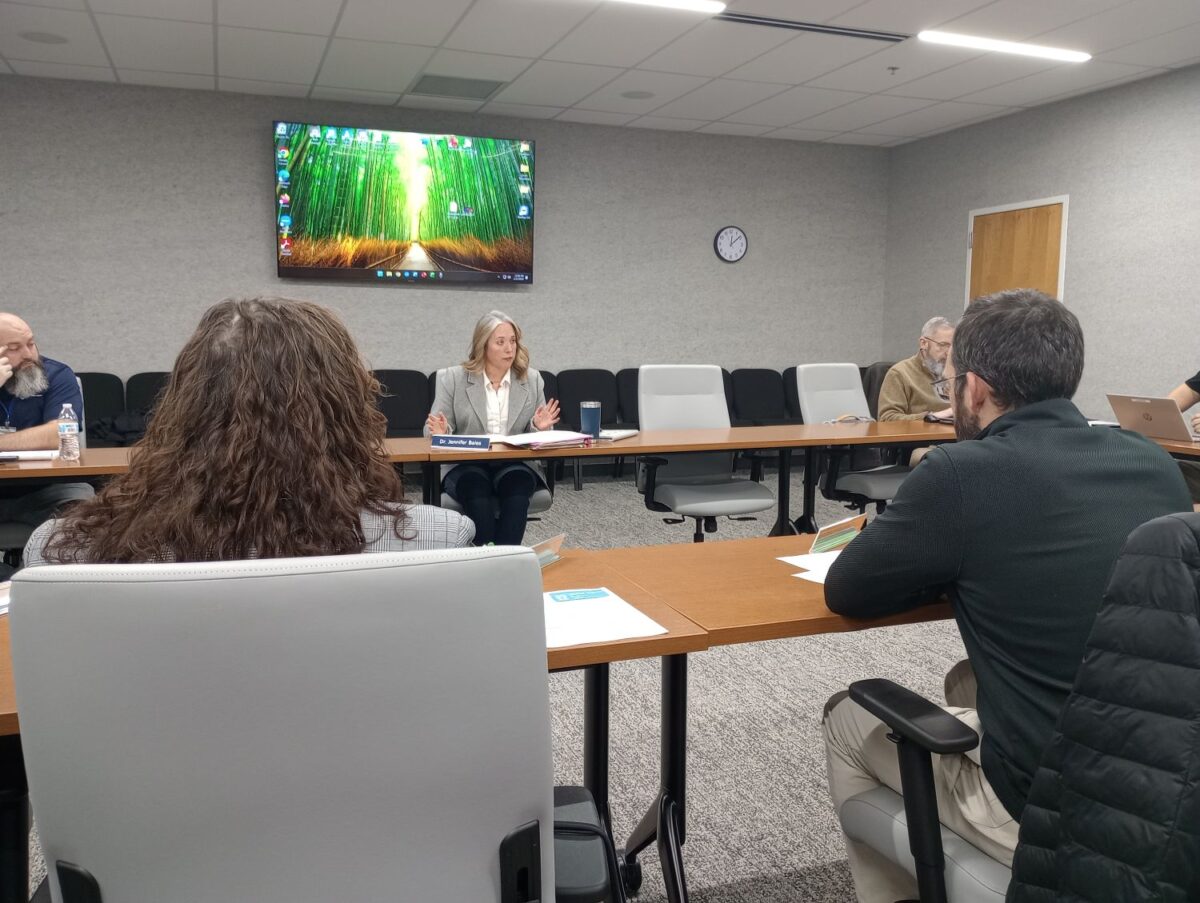
During the Wayne County Board of Health’s Jan. 13 meeting, Dr. Jennifer Bales discussed the current “very high” incidence of flu-like illnesses. She said the county is experiencing the first peak of the flu season, with a second peak still expected.
The mutated influenza A H3N2 strain accounts for about 90% of nationwide infections, Bales said. An H2N3 strain was included in this year’s flu vaccine, but the mutation creates “a virus advantage, which may mean that this year’s flu season is going to be pretty bad,” she said.
Last year’s flu season was considered severe, and Bales said it’s unusual for two severe seasons to occur back-to-back. Already, Indiana has recorded 17 flu-related deaths, including one in Wayne County.
Bales said that flu is unique among viral illnesses because it strikes quickly.
“You’re fine, and then you’re not fine, and it just kind of happens all of a sudden,” she said.
Symptoms include fever, chills, bad body aches, headaches, coughing, fatigue, nausea, vomiting and diarrhea. Anti-viral treatment might be a consideration for those who are younger than 2, who are older than 65, who are pregnant or who have significant co-morbidities that make severe illness more likely. Bales said anti-viral treatment should begin within the first 48 hours.
“It works better the earlier you start it,” she said.
Those simply treating symptoms can use acetaminophen (Tylenol) or ibuprofen (Motrin), Bales said. Drinking extra fluids prevents dehydration, and for those older than 1, natural honey treats coughing.
“That’s the only thing that’s really been shown to work,” Bales said.
Those with severe symptoms such as shortness of breath, passing out, confusion, inability to tolerate fluids or severe weakness should visit an emergency room. Others with persistent symptoms or who have been getting better then experience escalated symptoms should visit urgent care or a primary care provider to guard against post-viral pneumonia.
A flu vaccine can reduce symptoms and prevent serious illness that leads to hospitalization or death. Two weeks are needed to develop immunity, and Bales said the vaccine could still be effective for the flu season’s expected second peak.
“It’s still very important to get your flu vaccine,” she said.
Certificate policy
Dan Burk, the county health department’s director, presented a policy that would enable the department to begin issuing birth and death certificates for out-of-county births and deaths. Burk said the department is losing revenue to neighboring counties by not providing the service.
Each certificate would cost $15, with an extra $5 fee for each person. For example, if five death certificates were requested for an individual, the cost would be $80, $15 for each certificate plus the $5 fee.
The health board unanimously voted to recommend the county’s commissioners approve the policy and an amended fee ordinance that includes the certificate fees. The commissioners then unanimously approved both during their Jan. 14 meeting.
Credentialing contract
The health board recommended approval of a contract with AC Billing and Credentialing Specialists for provider credentialing, and the commissioners then approved the contract the next day.
The contract costs $1,050 up front for the three providers who need credentialing, then costs $45 per hour for any additional work. Credentialing the department’s providers improves timely collections from insurance for services the health department provides.
Officers
The board re-elected Dr. Paul Rider as its chair and Amanda Mullins as the vice chair.
A version of this article appeared in the January 21 2026 print edition of the Western Wayne News.