

Jefferson Scott Shreve is running for Indiana House District 6 as a Republican candidate in the 2026 general election.
2026 Election Guide
The Western Wayne News asked candidates in contested races for the Nov. 3, 2026, general election the same questions.
- List your education and employment history highlights (100 words or less).
- What are two specific reasons you decided to run for this office? (100 words or less.)
- If elected/reelected, what are your top three priorities for your time in office? (150 words or less.)
- What are two specific skills you would bring to the office to benefit constituents, if elected/reelected? (100 words or less.)
- What’s one aspect of the government body you’re seeking to join or lead that you think is working well and should continue? (100 words or less.)
- What’s one aspect of the body you’re seeking to join or lead that you think needs to change, and what specific action(s) would you pursue to change it? (100 words or less.)
- Will you accept the results of the election process even if you are not elected/reelected? (50 words or less.)
- With state and federal changes limiting funding for government services, what specific strategies will you pursue if elected to sustain the finances of the body you’re seeking to join or lead? (150 words or less)
- Beyond encouraging attendance at public meetings, how do you plan to involve residents in decision making processes that the office you seek is a part of? (100 words or less.)
- Any other comments you’d like to share about your candidacy? (150 words or less.)
Candidates were given three weeks to respond with a firm deadline and word limits. We share their answers here, unedited from their original form.
For full election coverage, visit the Western Wayne News 2026 Election Guide.
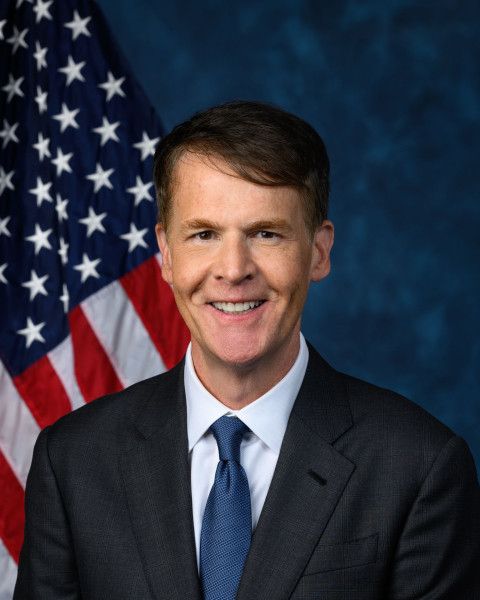
Bio highlights: I earned my bachelor’s degree from Indiana University, a master’s in international studies from the University of London, and an MBA in agribusiness from Purdue University. I founded Storage Express and grew it from a small business into Indiana’s largest self-storage company. I served twice on the Indianapolis City-County Council. I now represent Indiana’s Sixth District in Congress, where I serve on the House Appropriations Committee.
Reasons you ran: First and foremost: I’m concerned about our growing national debt. Building a business taught me to manage budgets, make difficult choices, and account for what I spent. I wanted to bring that discipline to Congress.
Second, my parents and grandparents taught me to serve others. I ran to put my experience to work for our communities. That means helping Hoosiers navigate federal agencies, listening to local leaders, and following through on the needs they bring to me.
Top priorities: First, keeping our communities safe. I support law enforcement, a secure southern border, and stronger enforcement against drug trafficking. I’m also working to keep drivers who aren’t legally qualified to operate commercial trucks off our roads.
Second, making life more affordable. I voted for tax relief for working families and seniors, including deductions for tips and overtime. I’m working to restrain federal spending and reduce the cost of healthcare, energy, and everyday necessities.
Third, making Washington more accountable. I support voter ID and proof of citizenship for federal voter registration, protecting women’s sports, and banning members of Congress from trading individual stocks. Public service should put the interests of the people we represent first.
Specific skills: First, managing budgets. Decades in business taught me to examine costs, weigh competing needs, and make decisions with limited resources. I bring that discipline to federal spending.
Second, solving problems with others. Building a business and serving in local government taught me to listen, identify what’s holding up progress, and work with people who bring different perspectives. Those skills help me work with local leaders, federal agencies, and colleagues in Congress to resolve problems for constituents.
Should continue: Bipartisan cooperation on practical problems is working and should continue. The Stop Scams Caucus, which I helped launch, is one example. We’ve brought Republicans and Democrats together to protect Americans from financial scams, including those run by foreign criminal networks. Our work focuses on strengthening law enforcement tools and improving coordination among federal agencies. Protecting people’s savings is a responsibility we share. I want to keep building that cooperation.
Needs to change: Congress needs to change how it manages taxpayer dollars. Spending decisions too often come down to last-minute deadlines and enormous bills that receive too little scrutiny. On the House Appropriations Committee, I’ll press for timely consideration of individual spending bills, closer examination of agency budgets, and accountability for programs that aren’t delivering results. I’ll work to cut waste while protecting essential services and investments that meet documented needs in our communities.
Accept election results: Yes.
Funding strategies: We need to set priorities and make commitments we can sustain. I’ll use my role on the House Appropriations Committee to scrutinize agency budgets, reduce duplication and improper payments, and direct funding toward programs that demonstrate results.
For infrastructure and other community projects, I’ll work with local leaders to assess the need, available funding, and ongoing operating costs before committing federal dollars. Communities need investments they can maintain.
Protecting essential services also requires addressing the federal government’s long-term finances. We can’t keep borrowing without consequence. I’ll support spending restraint and policies that help businesses grow and employ more people, strengthening the tax base without simply raising tax rates.
Engaging the public: I’ll continue meeting directly with residents, farmers, business owners, and local officials, alongside our mobile office hours. I want to hear what’s working and where federal policies are creating problems. Our work with residents recovering from the August floods in Cambridge City and elsewhere in Wayne County underscores why that contact matters. People dealing with a federal agency can identify obstacles that don’t show up in a Washington briefing. I’ll use their experiences to guide questions to agencies, oversight, and legislation, and keep residents informed about our follow-through.
Other comments: Indiana is where I grew up, built my business, and met and married Mary. Serving our communities in Congress is a responsibility I take seriously. I’ll keep showing up, listening, and doing the work. Whether you need help with a federal agency or want to weigh in on legislation, I want you to know your congressman is accessible. I ask for your vote on or before November 3.