

Jade Rockwell is running for Wayne Township Trustee as a Democrat candidate in the 2026 general election.
2026 Election Guide

The Western Wayne News asked candidates in contested races for the Nov. 3, 2026, general election the same questions.
- List your education and employment history highlights (100 words or less).
- What are two specific reasons you decided to run for this office? (100 words or less.)
- If elected/reelected, what are your top three priorities for your time in office? (150 words or less.)
- What are two specific skills you would bring to the office to benefit constituents, if elected/reelected? (100 words or less.)
- What’s one aspect of the government body you’re seeking to join or lead that you think is working well and should continue? (100 words or less.)
- What’s one aspect of the body you’re seeking to join or lead that you think needs to change, and what specific action(s) would you pursue to change it? (100 words or less.)
- Will you accept the results of the election process even if you are not elected/reelected? (50 words or less.)
- With state and federal changes limiting funding for government services, what specific strategies will you pursue if elected to sustain the finances of the body you’re seeking to join or lead? (150 words or less)
- Beyond encouraging attendance at public meetings, how do you plan to involve residents in decision making processes that the office you seek is a part of? (100 words or less.)
- Any other comments you’d like to share about your candidacy? (150 words or less.)
Candidates were given three weeks to respond with a firm deadline and word limits. We share their answers here, unedited from their original form.
For full election coverage, visit the Western Wayne News 2026 Election Guide.
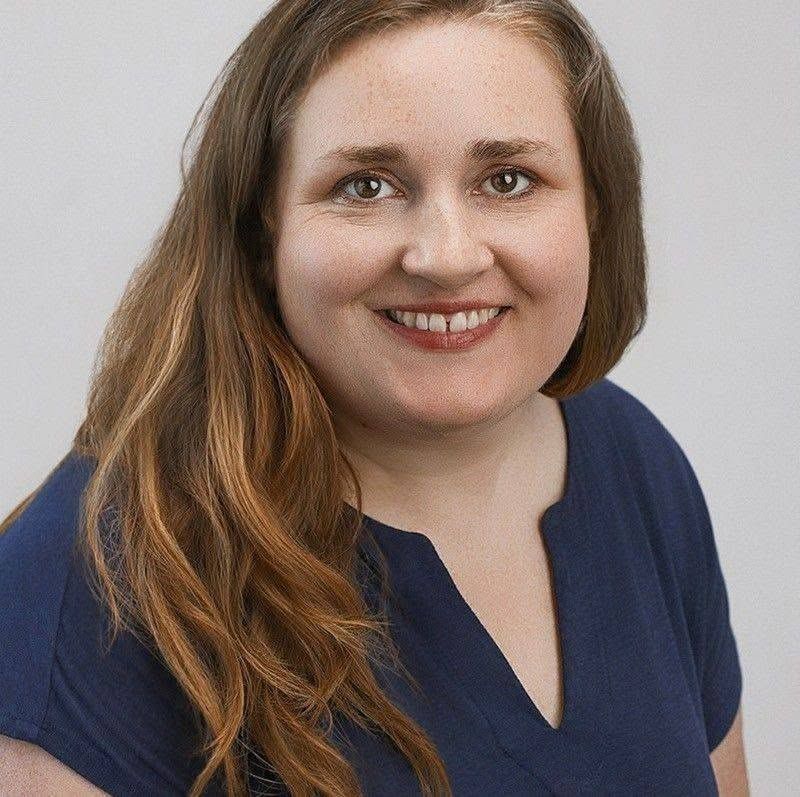
Bio highlights: social work, community and organizational leadership, and innovative program development. Currently: I direct an international Friends (Quaker) church revitalization program where I help churches connect more deeply in their local communities. I also serve part-time as a pastor in rural Preble County, Ohio. I help people and communities collaborate to respond to community needs and develop effective ways to live out their values. Education: Master of Divinity from Earlham School of Religion (2026) and a bachelor’s degree in Spanish Language from Portland State University (2020)
Reasons you ran: I feel called to address local poverty, which a quarter of our residents are living with. I believe help in a crisis should be simple to access, compassionate at every stage, and should show that it makes peoples’ lives better. I want to rebuild our community’s capacity for care. The vision of townships is that of “grassroots government”. Bureaucracies can’t resolve everything. My vision is neighbors, first responders, churches, schools, nonprofits, and public agencies working together to create a web of care so we can better be there for one another when needed.
Top priorities: Dignity: Make township government more human. Today, applicants can face 25+ types of documentation and 60 days of receipts to get emergency help. I will reduce documentation to minimum for verification, provide same-day decisions in straightforward cases, and expand walk-in hours. I want to see more dignity in indigent burial: every person should be offered a simple memorial, bereavement care, and a marker bearing their name. Accountability: The township should show its work. Make meetings, standards, spending, and results public—and measure success by lives improved, not dollars spent. Protect assistance from fraud and ensure resources reach people who need them. Innovation: Do more than administer poor relief. Use existing staff, facilities, and funds creatively; build stronger community partnerships; and aggressively pursue grants to pilot programs that respond well to today’s needs and realities. Some ideas I am interested in include transitional work program, food security gardens, and mobile crisis response.
Specific skills: Organizational renewal. My professional work is helping organizations rebuild vitality through evaluating what is and is not working, rebuilding relationships, and experimenting with better ways to effectively live out their mission. People care. As a pastor, organizer, and former social-service worker, I have spent much of my career with people during their worst moments. I think the township should be a place with people at the center, where you can get help with dignity and respect, and where neighbors can contribute and help one another.
Should continue: I support township special programs that protect vulnerable residents from exploitation, fill service gaps, and prevent crises. Present programs include the Dwyer center, representative payee program, diaper and laundry projects. I want to continue those efforts while incorporating evaluation and high standards. As Indiana moves towards township modernization, I want to preserve the grassroots character of the township. Township leaders and staff should be known and present out in the community, and the township should be a place where the community can work together for good.
Needs to change: Too much township capacity is tied up in overcomplicated processes. Too many eligible residents never get help. Too much is spent without showing impact. The current application process requires extensive documentation, including 60 days of personal receipts. Published assistance hours are presently only 12 hours weekly despite multiple full-time staff. I would streamline paperwork, publish clear eligibility standards, expand walk-in availability to approximately 40 hours including Saturdays, create direct referral relationships with community partners, and redirect staff time from repeatedly documenting poverty toward helping households become stable. An emergency hotline would be available for unsafe or immediate danger after hours.
Accept election results: Absolutely.
Funding strategies: Before asking taxpayers for more, we should better utilize resources already entrusted to Wayne Township. Wayne township ended 2025 with roughly $765,000 remaining in the township-assistance fund, yet only 157 households received assistance that year. Despite rising food, housing, and medical costs, the township reported just $199 in food assistance and $0 in medical assistance. As state and federal cuts increase local need, we can do better. Presently, we spend roughly three times as much on assistance administration as on direct aid. Our township performs significantly below other townships across the state in getting dollars to those in need. I will prioritize direct assistance, streamline application process, dedicate more staff time to helping residents, and measure programs by outcomes. By coordinating with community partners, we can reduce duplication, process more applications, and help more people. I will also aggressively pursue grants to pilot innovative responses to poverty.
Engaging the public: Our township is not presently doing the basics. Residents do not know who their elected township leaders are or what the township does. Board meetings are not actually public, standards and decisions are not posted online, and residents can’t see how money is spent or take part in shaping decisions. That is a problem in the context of statewide issues with township fraud and mismanagement. Grassroots government should go beyond just reporting and engage residents. I believe the township should bring together residents, and service providers to talk about, understand, and respond well to local problems.
Other comments: Renew the Township: Grassroots Government for the 21st Century. In my organizational renewal work is a process of returning to the purpose at the heart of something and finding new life there. I think the purpose of township government is to be government from the grassroots, but we have gotten away from that. The small, local, people-centered government is an old-fashioned idea that is more important and relevant than ever. The township has a distinct role. It can respond in specific ways to local problems that bigger or faraway institutions often cannot. It can innovate and do what works here and today rather than what others have done, or “the way we have always done it”. I will be a trustee committed to putting those things into practice.
A version of this article will appear in the October 7 2026 print edition of the Western Wayne News.