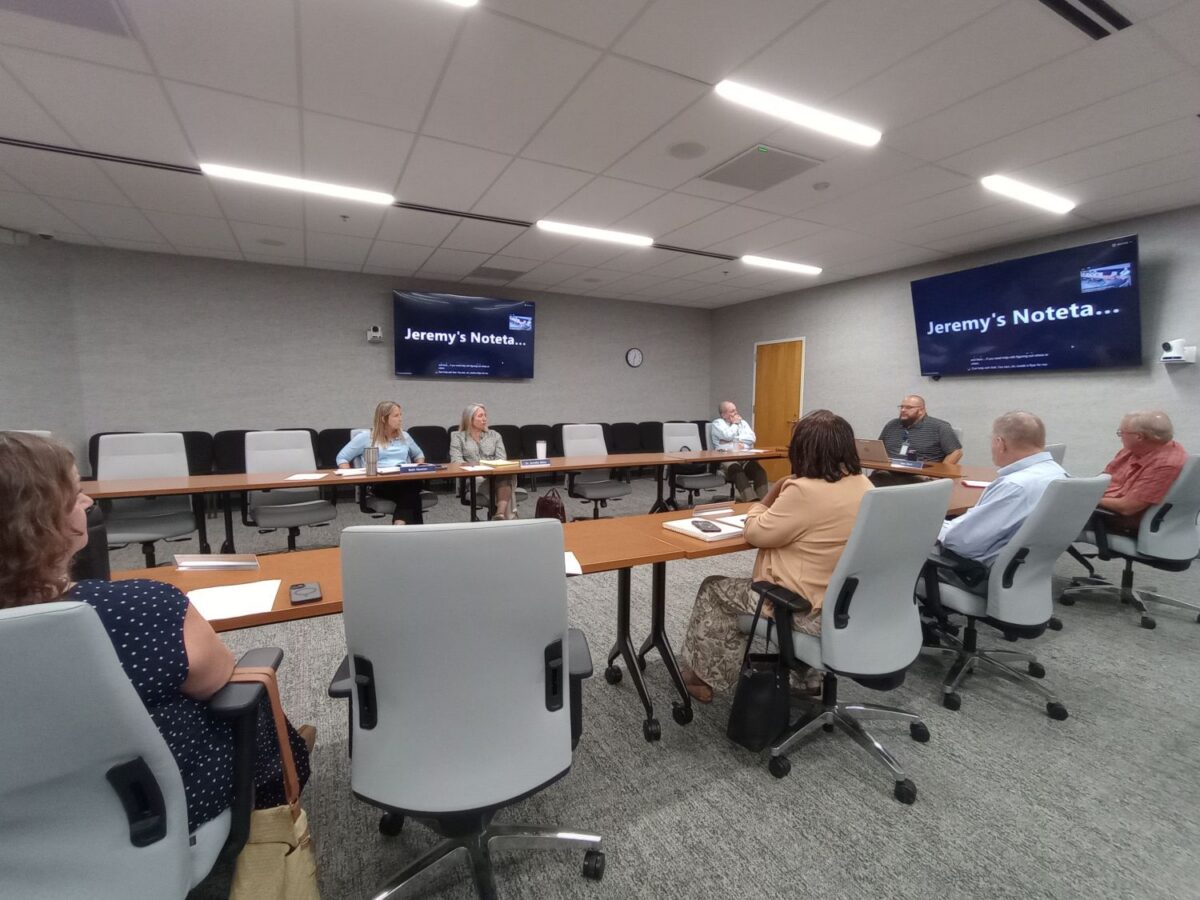
An improved electronic medical records system that also saves money could present a win-win situation for the Wayne County Department of Health.
Dan Burk, director of the health department, has explored EMR systems, including the MyVisit system that the Indiana Department of Health uses. Jeremy Elias, founder and CEO of Kansas City-based TrackMy Solutions, presented information about MyVisit during the county Board of Health’s July 14 meeting.
In addition to electronic records, MyVisit would handle credentialing and billing for the health department. MyVisit charges 10% of revenue the county receives.
Steuben, Clark and Scott counties already have MyVisit up and running, with other counties in various stages of adopting the system. Burk, who has reached out to those counties for information, said MyVisit is a cleaner system than the current Athena system the county uses. Athena charges 11.7% of revenue.
Burk also said that when Athena issues arise, the company refers phone calls to links, rather than providing assistance. He said requests for MyVisit assistance have been routed to the proper person to provide an answer.
“We’re by your side,” Elias said, “because we don’t get paid unless you get paid.”
TrackMy Solutions requests a 12-month contract to implement MyVisit, then hopes for annual renewals. The board approved 5-0 drafting a contract with MyVisit for further consideration.
Board member Rodger Smith said MyVisit’s efficiency alone provides a cost savings in staff time and supported moving forward with MyVisit.
Cyclosporiasis
Dr. Jennifer Bales, the county’s health officer, provided information about a nationwide outbreak of cyclosporiasis, an intestinal infection caused by a parasite.
Cases have developed in more than 30 states, including a large outbreak in Michigan. Bales said 194 cases had been reported in Indiana, but none locally.
Individuals contract the parasite by consuming contaminated food, but she said investigations have yet to determine specific causes for this year’s cases. Investigations are more difficult, according to Bales, because the average incubation is a week with symptoms sometimes showing 14 days after the parasite is contracted.
Symptoms include diarrhea, stomach pain, nausea and fever. Dehydration presents the biggest risk to those with cyclosporiasis.
Hand-washing and food safety help prevent contracting the parasite. Bales said washing and peeling produce is not enough to prevent the parasite; only cooking the produce eliminates risk.
Food truck legislation
State legislation will change food truck registration laws beginning Jan. 1, and that could reduce the health department’s revenue.
Each food truck is required to list a commissary, a licensed and permitted establishment. With the new legislation, a food truck will pay $450 annually for a statewide permit, with some of that money provided to the county where the truck’s commissary is located. Currently, a truck pays $150 annually to each county in which it operates.
Burk said Wayne County would lose revenue from about 10 trucks that operate within the county but have their commissaries outside the county. It also would lose revenue from Wayne County 4-H Fair vendors that currently pay a daily fee for temporary permits during the fair.
Burk said logistical work associated with the legislation continues at the state level.
A version of this article appeared in the July 22 2026 print edition of the Western Wayne News.